
Understanding Numbness: What Most Neuropathy Treatments Overlook About Nerve Healing
Still numb despite meds and therapy? Learn what most peripheral neuropathy treatments miss — and how regenerative care addresses real nerve healing in Houston.
6/9/20265 min read

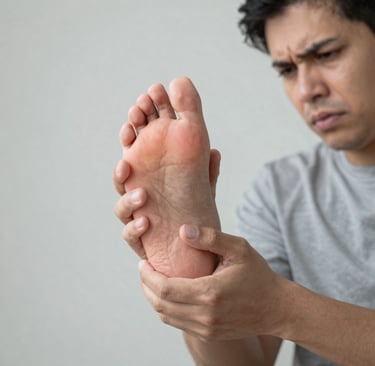
The Nature of Nerve Damage and Neuropathy
Nerves are essential components of the body's nervous system, facilitating communication between the brain, spinal cord, and other parts of the body. They play a crucial role in sending sensory information, controlling muscle movements, and regulating bodily functions. Neuropathy, defined as damage to the peripheral nervous system, can manifest itself through various symptoms, including numbness, tingling, pain, and weakness. Understanding the nature of nerve damage is vital for grasping both its symptoms and implications for overall health.
Neuropathy may arise from numerous causes, such as diabetes, trauma, infections, autoimmune diseases, and exposure to toxins. The two most common types are diabetic neuropathy, resulting from prolonged high blood sugar levels, and peripheral neuropathy, which affects the peripheral nerves directly. Each type has its unique set of challenges, often leading to varying degrees of functional impairment and lifestyle changes.
Symptoms of neuropathy often depend on the type of nerves affected, whether they are sensory, motor, or autonomic. In sensory neuropathy, patients may experience a loss of feeling, often leading to accidental injuries due to undetected cuts or sores. Motor neuropathy can result in muscle weakness or cramps, affecting mobility and coordination. Autonomic neuropathy impacts involuntary bodily functions, resulting in issues with cardiovascular regulation, digestion, and temperature control.
The implications of nerve damage extend beyond immediate discomfort, potentially influencing mental well-being and quality of life. As patients navigate the complexities of these conditions, they may find that conventional treatments, which often focus solely on symptom management, may overlook the underlying factors necessary for effective nerve healing. A deeper understanding of neuropathy and the nature of nerve damage can thus pave the way for more comprehensive approaches toward recovery and well-being.
Common Treatments for Neuropathy and Their Limitations
Nerve damage, known as neuropathy, often necessitates a multifaceted approach to treatment, with the aim of alleviating discomfort while fostering nerve health. Common treatments include medications, physical therapy, and alternative therapies, all of which serve specific purposes. However, it is essential to understand their limitations, particularly how they may overlook the crucial processes involved in nerve healing.
Medications, such as pain relievers, anti-inflammatories, and antidepressants, are frequently prescribed to mitigate the symptoms associated with neuropathy. While these drugs can provide significant relief from pain and discomfort, they do not address the root cause of nerve damage. Patients may experience numbness and restricted mobility despite medication because these treatments primarily mask symptoms rather than promote actual nerve regeneration or repair.
Physical therapy is another standard intervention utilized for neuropathy. Tailored exercises can enhance strength and flexibility, potentially improving a patient’s overall functionality. Nevertheless, while physical therapy aids in managing symptoms, it often fails to consider the inherent biological processes that facilitate nerve healing. Without targeting the underlying factors of nerve health, such as nutrition and blood flow, patients may continue to suffer from numbness and weakness.
Alternative therapies, including acupuncture and dietary supplementation, have gained popularity among patients seeking to find relief from neuropathy symptoms. Although some individuals report positive outcomes with these treatments, evidence remains inconclusive. Most importantly, these approaches may not sufficiently stimulate the necessary conditions for nerve recovery. In many cases, individuals find themselves managing chronic symptoms without a clear path to resolution.
In conclusion, while standard treatments for neuropathy can provide temporary relief, a significant gap remains in addressing the body’s mechanisms for nerve healing. A comprehensive understanding of these limitations can better inform patients about their options and push the conversation towards more effective, holistic approaches for nerve health.
Nerve Regeneration and Healing Processes
Nerve regeneration is a complex biological process that involves several intricate mechanisms. When nerves are damaged, either through injury, disease, or other neurological conditions, the body initiates a healing response. This begins with a process known as Wallerian degeneration, where the segment of the nerve fiber distal to the injury site deteriorates and is cleared away. This step is crucial for the regeneration of the nerve fiber as it allows the proximal segment to eventually reconnect with its target.
Inflammation plays a dual role in nerve healing. Initially, inflammation serves as a protective response that helps clear out damaged cells and pathogens. Immune cells are recruited to the site of injury, releasing signaling molecules that promote repair. However, chronic inflammation can hinder the regeneration process, underscoring the need for a balanced inflammatory response. This delicate equilibrium is vital for nurturing the healing environment necessary for optimal nerve recovery.
Moreover, lifestyle factors significantly influence nerve health and regeneration. Proper nutrition is essential, as it provides the building blocks necessary for the synthesis of nerve tissues and neurotransmitters. Nutrients such as vitamins B12, B1, and B6 have been associated with enhanced nerve function and repair. In addition to nutrition, regular physical exercise encourages blood flow, which is critical for delivering oxygen and nutrients to nerve tissues. Engaging in activities such as stretching, strength training, and aerobic exercises can significantly contribute to maintaining nerve health and fostering recovery.
Understanding the processes of nerve healing, the role of inflammation, and integrating appropriate lifestyle choices are pivotal. Injuries causing numbness in the feet or other areas can persist even after treatment, often due to inadequate nerve recovery. Comprehending these factors enables individuals to take a proactive approach in managing neuropathy, ensuring their path to recovery is comprehensive and informed.
Alternative Approaches to Nerve Health and Recovery
When addressing aberrations such as numbness, many treatments may prioritize symptoms rather than focusing on nerve health and recovery. However, a spectrum of innovative approaches exists that aim to support and enhance overall nerve function. These methods may provide beneficial results, particularly for individuals suffering from neuropathy.
A noteworthy area of focus is dietary changes. A nutrient-rich diet is fundamental to nerve health. Certain vitamins, particularly those in the B-complex family, are recognized for their role in nerve function and recovery. Foods rich in antioxidants, omega-3 fatty acids, and essential nutrients can help repair damaged nerves and reduce inflammation. Incorporating a diverse array of fruits, vegetables, whole grains, and lean proteins may foster an environment conducive to nerve healing.
In addition to dietary adjustments, dietary supplements have gained traction for their potential in promoting nerve health. Alpha-lipoic acid, acetyl-L-carnitine, and omega-3 supplements have all demonstrated promise in preclinical studies focused on nerve healing. However, it is imperative for individuals to consult healthcare professionals before embarking on new supplementation, as tailored recommendations can optimize results and ensure safety.
Alternative therapies also hold potential in the realm of nerve health recovery. Acupuncture, for example, aims to alleviate pain and promote circulation, potentially fostering healing by enhancing blood flow to affected areas. Mindfulness practices, including yoga and meditation, may assist in reducing stress and anxiety, which can contribute to nerve pain and dysfunction. Integrating these approaches could facilitate a holistic paradigm for promoting nerve health, addressing not just the symptoms but the root causes of numbness.
Ultimately, these alternative approaches should be considered complementary strategies within a broader treatment plan. As more individuals seek comprehensive solutions to neuropathic symptoms, understanding the potential of diverse methodologies for nerve health is essential for fostering well-being.
COMPANY
Support
LEARN
24/7 Website Live Chat
Call or Text
BioWave Regeneration
Our Blog
Magnolia
© 2025 BioWave Regeneration™. BioWave Regeneration is a wholly owned subsidiary and operating division of Made Ya Skinny, LLC, a Texas limited-liability company. All rights reserved.
Neuropathy